
If you are aged 50 to 70 and currently smoke or previously smoked, you may have heard about Australia’s National Lung Cancer Screening Program. The program provides free low-dose CT screening for eligible people at higher risk of lung cancer who do not yet have symptoms.
For people across North Brisbane, North Brisbane Sleep & Thoracic supports lung cancer screening and respiratory follow-up through its respiratory physicians and lung testing services at North Lakes and Clayfield.
If you think you may meet the screening criteria, or have been referred for respiratory review, our physicians can help you arrange your lung cancer screening assessment at an appointment.
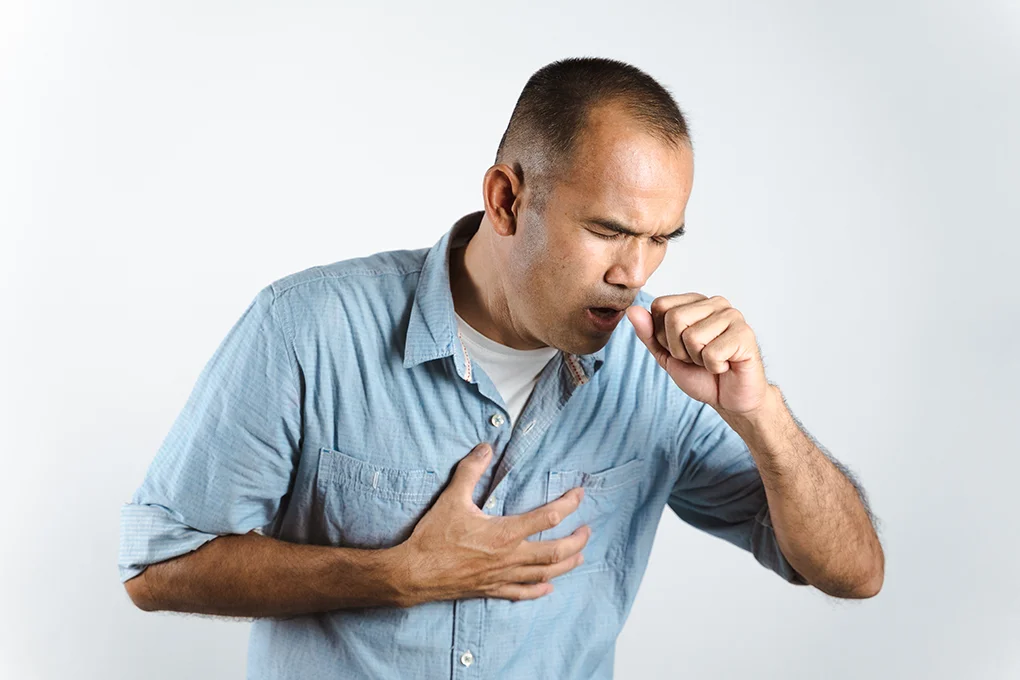
Please call 000 or go directly to your nearest emergency department if you have symptoms such as coughing up blood, unexplained weight loss, a new or worsening cough, chest pain or unexplained shortness of breath.
What is the National Lung Cancer Screening Program?
The National Lung Cancer Screening Program is an Australian Government initiative that launched in 2025, to screen people at higher risk of lung cancer.
It uses low-dose computed tomography, known as low-dose CT, to look for signs of lung cancer before symptoms appear. The scan takes detailed images of the lungs using less radiation than a standard diagnostic CT scan. It is different from a chest X-ray and can identify smaller changes in the lungs that may need monitoring or further assessment.
Who is eligible for lung cancer screening?
To participate in the National Lung Cancer Screening Program, you need to meet all of the current eligibility criteria.
- Aged between 50-70 years
- No signs or symptoms suggesting lung cancer
- smoke tobacco cigarettes or have quit within the past 10 years
- A tobacco cigarette smoking history of 30 pack-years
If you are unsure about your smoking history, a healthcare provider can help calculate your pack-years and assess your eligibility for the program.
You do not need to have stopped smoking to take part.

Why is screening important for people without symptoms?
Screening looks for signs of disease before symptoms develop because if respiratory symptoms are already present, care needs to change from screening to investigating what may be causing them.
A cough, breathlessness, chest pain or reduced exercise tolerance can be linked to a range of respiratory conditions. Depending on your symptoms and medical history, your GP may recommend diagnostic imaging, lung function testing or review by a respiratory physician.
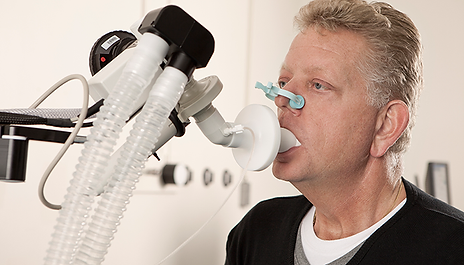
North Brisbane Sleep & Thoracic sees patients with respiratory symptoms and lung conditions at both its North Lakes and Clayfield clinics. Lung function testing and respiratory investigations are also available through the practice.
How much does lung cancer screening cost?
For eligible participants, the low-dose CT scan is free through Medicare.
The National Lung Cancer Screening Program has dedicated Medicare items for the initial screening scan and any further scans required as part of the program. These scans are bulk billed, which means a radiology provider cannot charge an out-of-pocket fee for the scan.
You may still need to see a healthcare provider to have your eligibility assessed and receive the request or referral for the CT scan. A consultation fee may apply if that healthcare provider does not bulk bill. If your scan identifies something that needs further assessment, costs associated with specialist consultations or investigations will depend on the services required and any available Medicare rebates.
For information about NBST appointment fees and Medicare rebates, contact the North Brisbane Sleep & Thoracic team on 1300 391 820.
What to expect during your lung cancer screening
The first step is to see a GP or healthcare provider who can check your age, smoking history, symptoms and other program requirements. If you meet the criteria and choose to participate, you will receive a request for a free low-dose CT scan.
During the scan, you lie on a table with your arms raised above your head. The scan itself takes only a short time, with the full radiology appointment generally completed within around 15 minutes.
A radiologist reviews the images and sends the results to your healthcare provider. You may also receive information from the National Cancer Screening Register about what happens next.
If the scan does not identify anything requiring earlier follow-up, your next screening scan will generally be due in two years. A result requiring closer monitoring can mean another CT scan is needed sooner. Findings requiring further review may lead to referral to a respiratory physician or another specialist.
Patients across North Brisbane can access specialist respiratory care at NBST’s North Lakes and Clayfield clinics, with lung function testing and other respiratory investigations available as part of their assessment.
To participate in the National Lung Cancer Screening Program, you need to meet all of the current eligibility criteria.
- Aged between 50-70 years
- No signs or symptoms suggesting lung cancer
- smoke tobacco cigarettes or have quit within the past 10 years
- A tobacco cigarette smoking history of 30 pack-years
If you are unsure about your smoking history, a healthcare provider can help calculate your pack-years and assess your eligibility for the program.
You do not need to have stopped smoking to take part.
Respiratory follow-up in North Brisbane
A screening scan is only one part of the picture if an abnormality is found.
North Brisbane Sleep & Thoracic supports patients and referring GPs following lung cancer screening through its respiratory physicians and diagnostic lung services. At North Lakes and Clayfield, NBST provides respiratory assessment and services including:
- Review of lung nodules and abnormal chest imaging
- Lung function testing
- Assessment of emphysema
- Assessment of bronchiectasis
- Investigation of interstitial lung disease
- Respiratory review for unexplained breathlessness
- Specialist review for abnormal lung function results
This means patients who need specialist input after a screening result can continue their respiratory investigation with a North Brisbane respiratory physician following referral.
What if you do not meet the criteria?
Not everyone with a history of smoking will qualify for the program. You may be outside the 50 to 70 age range, have a smoking history below 30 pack-years or have stopped smoking more than 10 years ago before entering the program.
If you do not meet the screening criteria but have respiratory symptoms, speak with your GP. Your symptoms can still be investigated based on your medical history and current concerns. This may involve imaging, lung function testing or referral to a respiratory specialist.
You can also speak with your GP about support to stop smoking. Support is available, and quitting smoking at any age reduces future health risks.
Lung cancer screening FAQs
Lung Cancer Screening with North Brisbane Sleep & Thoracic
If you are aged 50 to 70 and have a history of cigarette smoking, it may be worth checking if you meet the criteria for the National Lung Cancer Screening Program.
Patients attend NBST from across North Brisbane and the Moreton Bay region for respiratory assessment, lung function testing and specialist follow-up at out North Lakes and Clayfield clinics.
|
North Lakes |
Clayfield |
Call 1300 391 820 or contact our friendly team at North Brisbane Sleep and Thoracic to arrange an appointment.
*This article is for general information and educational purposes only. It is not a substitute for professional medical advice, diagnosis or treatment. Always follow the guidance of your GP, specialist or other qualified health professional regarding any questions about your health.
References
Australian Government Department of Health, Disability and Ageing. (2026). How the National Lung Cancer Screening Program works. https://www.health.gov.au/our-work/nlcsp/how-it-works
Cancer Australia. (2026). Lung cancer screening. https://www.canceraustralia.gov.au/cancer-types/lung-cancer/lung-cancer-screening
Cancer Council Australia. (n.d.). Early detection and screening. https://www.cancer.org.au/cancer-information/screening-tests-and-treatments/early-detection-and-screening/lung-cancer-screening