
What Changed in Sleep and Lung Health This Year? Key Insights for GPs
2025 has been an incredibly active year across sleep and respiratory care, and it has given us valuable insight into how patient needs are changing across North Brisbane. As referral volumes, symptom profiles and diagnostic pathways continue to shift, we have gained a deeper understanding of the pressures GPs are navigating and the patterns emerging across the community, particularly in sleep medicine, lung health and chronic respiratory disease.
We are grateful for your continued collaboration, which allows us to deliver timely, coordinated care for our shared patients. Below, we outline the most notable insights from 2025 and the areas where earlier recognition and collaborative management can make the greatest difference.

What 2025 Taught Us About Sleep Disorders, and Why Early GP Recognition Matters
Sleep disorders remain one of the most common and under-recognised health issues in Australia, and this year reinforced that trend.
More patients are raising concerns about sleep, but symptoms are often subtle.
As a North Brisbane sleep specialist service, we continue to see increasing variability in how sleep disorders present. Sleep disorders remain one of the most common and under-recognised health issues in Australia, and this year reinforced how subtle many patient symptoms can be.
Yet many patients present to their GP with non-specific symptoms such as:
- fatigue
- irritability
- concentration difficulties
- morning headaches
These symptoms are often attributed to lifestyle or stress, which can delay referral to a sleep doctor or sleep clinic.

Source: The Sleep Health Foundation
We have seen a strong rise in referrals where the initial trigger was inconsistent blood pressure control, persistent tiredness or concerns raised by a partner. These early cues remain highly valuable for screening, particularly for cardiometabolic patients.
Early GP-driven identification increases patient engagement and improves long-term outcomes. When referrals arrive before symptoms escalate, adherence to therapy is significantly better.
Home-based sleep studies continue to improve access
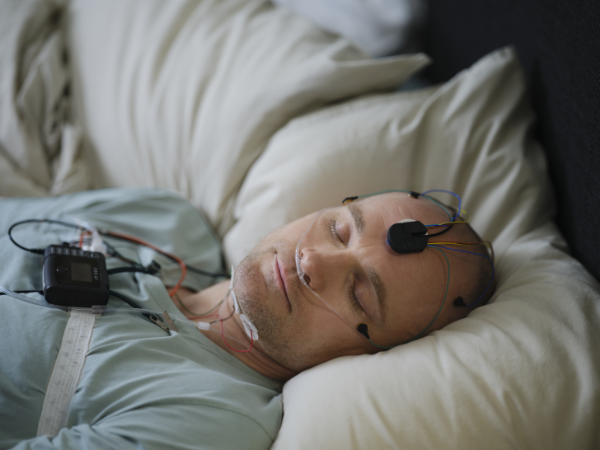
The shift towards home sleep studies has helped reduce barriers for many patients. National commentary (AIHW, SHF) supports what we are seeing clinically: when patients are comfortable and testing is accessible, they’re more likely to follow through, and the data collection is much better. This has been particularly beneficial for shift workers, busy families and older patients.
Home-based diagnostics have reduced barriers for many patients, particularly those who are time-poor, anxious about lab studies or living in suburban areas.
This year NBST invested in significant equipment upgrades across our Clayfield and North Lakes clinics, allowing us to achieve greater consistency between in-laboratory and ambulatory (home-based) sleep data collection through improved patient comfort. Learn More here.

This Year in Respiratory Medicine: Patterns, Red Flags and New Opportunities for Early Detection
Asthma and COPD continue to drive significant presentations
AIHW’s 2024–25 reporting showed that Asthma affects ~2.8 million Australians, and COPD remains a leading cause of preventable hospital admissions.
In practice, this has meant a high demand for spirometry to clarify diagnoses, reassess control or evaluate unexplained breathlessness. We regularly see patients whose inhaler technique or therapy regimen doesn’t match their clinical pattern, something national studies suggest remains common.
When spirometry is accessible and performed early, GPs can avoid unnecessary escalation of treatment and ensure patients enter the correct management pathway sooner. Unfortunately, incorrect or incomplete diagnoses continue to be common.

Source: AIHW 2024-25 Report

Source: RACGP 2025
Viral seasons significantly shaped respiratory workloads
The RACGP noted strong influenza and RSV activity this year, and this aligned with a rise in referrals for persistent post-viral cough and reactive airway symptoms lasting well beyond the acute phase. Some patients required structured medium-term management to prevent recurrent presentations or unnecessary escalation of treatment.
Growing awareness of Interstitial Lung Disease (ILD)
Lung Foundation Australia continues to emphasise the importance of early ILD recognition. This year we saw more GPs refer patients with:
- persistent dry cough
- exertional breathlessness
- Velcro crackles
- incidental CT changes
Earlier review is critical, as ILD outcomes are closely linked to timely diagnosis and specialist input.
Lung Cancer Screening Program: A Major Shift for General Practice in 2025
With the National Lung Cancer Screening Program launching on 1 July 2025, this has been one of the most significant developments in respiratory medicine this year. The program aims to detect lung cancer earlier, more accurately and more equitably for eligible high-risk adults. This program places GPs at the centre of early lung cancer detection. Identifying high-risk patients during routine care, particularly those with chronic respiratory disease, can significantly shift outcomes. Learn More here….
Diagnostics: Supporting Faster, More Accurate Clinical Decisions
Spirometry and complex lung function testing remains underused, yet essential
Spirometry continues to be the most effective tool for distinguishing asthma, COPD and non-respiratory causes of dyspnoea. National data suggests under-utilisation persists, so having accessible pathways for lung function testing has been valuable for GPs wanting clarity before escalating treatment. NBST also successfully introduced rapid access appointments with priority triaging for urgent cases which has expedited diagnosis and improved intervention.
Respiratory symptom complexity remains elevated post-pandemic
ABS and AIHW reporting indicates ongoing community impacts from previous COVID-19 waves, with a subset of patients experiencing prolonged or episodic respiratory symptoms. This has influenced referral patterns and diagnostic needs throughout the year.
Home-based diagnostic pathways support early identification
For sleep-disordered breathing, decentralised testing has continued to help patients progress from suspicion to diagnosis without lengthy delays, supporting earlier intervention and clearer treatment pathways in primary care.
Looking Ahead to 2026: What These Trends Signal for General Practice
As we reflect on the patterns emerging throughout 2025, several clear themes point toward how sleep and respiratory care will continue to evolve in the year ahead. These insights are grounded in what we are already seeing across patient presentations, diagnostic pathways and GP referral patterns.
The opportunity now is to use these trends to strengthen early detection, streamline care and further enhance the partnership between GP and specialist services.
1. Rising OSA Referrals, particularly in cardiometabolic patients
With sleep disorders increasingly recognised as contributors to hypertension, obesity, diabetes and mood disturbance, we anticipate a continued rise in OSA-related referrals.
For GPs, this means earlier screening during chronic disease reviews will continue to be a high-yield strategy, especially when symptoms are subtle. How collaboration helps:
- Fast access to diagnostics supports momentum in patient care.
- Clear reporting and follow-up guidance help integrate sleep management into chronic disease plans.
2. More patients with chronic cough and post-viral airway symptoms
The prolonged viral activity seen in 2024–25 is unlikely to resolve entirely in the coming seasons. Persistent cough and reactive airway symptoms will remain common, particularly in older adults and those with comorbidities.
For GPs, this highlights the need to identify early when symptoms deviate from expected recovery timelines. How collaboration helps:
- We offer streamlined pathways for persistent or unexplained respiratory symptoms.
- Early spirometry and respiratory review reduce diagnostic uncertainty and help avoid unnecessary treatment escalation.
3. Greater awareness and earlier screening for ILD
GPs are detecting red flags earlier - velcro crackles, dyspnoea out of proportion, incidental CT findings, which is a positive shift. We expect this trend to continue as ILD awareness grows.
For GPs, this means more opportunities for early specialist involvement, which remains one of the strongest predictors of improved long-term outcomes. How collaboration helps:
- Rapid triage for concerning ILD features
- Support in determining the urgency of imaging and next steps
- Clear communication to guide continued monitoring in primary care
4. Increased diagnostic demand in both sleep and respiratory streams
With more complex presentations and rising patient awareness, diagnostic demand will likely continue to grow especially for spirometry, home sleep studies and targeted imaging.
For GPs, accessible diagnostics reduce wait times, speed up decision-making and allow for earlier intervention. How collaboration helps:
- NBST’s investment in upgraded diagnostic equipment means greater consistency between home and in-lab data, increasing clinical confidence.
- Our short wait times and structured reporting support quick, coordinated management between visits.
2. Stronger GP-Specialist partnerships will become even more important
As the clinical landscape becomes more nuanced with multiple overlapping symptoms, post-viral variability, chronic disease interplay, patients benefit most when GP and specialist care is integrated, communicative and responsive.
For GPs, having a specialist partner who can offer timely assessment, clear recommendations and continuity is a key enabler of efficient, high-quality care. How NBST will continue to support you:
- Rapid-access appointments for urgent concerns
- Clear, practical communication following all assessments
- Collaboration on complex or ambiguous presentations
- A shared-care mindset to ensure patients remain well supported across both settings
Earlier recognition and stronger collaboration for better patient outcomes