
Are You Tired or Sleepy? Why the Difference Matters
Many people use the words tired and sleepy to mean the same thing and in everyday conversation, it makes sense. For your GP or care provider though, this difference can instigate referral and assessment to help get a clearer picture of your health.
Sleep-related problems can also look different from person to person. Some people have trouble falling or staying asleep, some have disrupted breathing or movement during sleep, and others mainly notice sleepiness during the day.
Tiredness usually describes feeling drained, low in energy, foggy or worn out. Sleepiness means you are more likely to fall asleep when you do not intend to, such as while reading, watching television, sitting as a passenger in a car or resting on the couch. The distinction matters because ongoing daytime sleepiness may point to disrupted sleep or a sleep disorder, including obstructive sleep apnoea, insufficient sleep, narcolepsy or another sleep-related condition.
If this sounds familiar, or you are still unsure, speak with your GP and ask if referral to North Brisbane Sleep & Thoracic would be the best step.
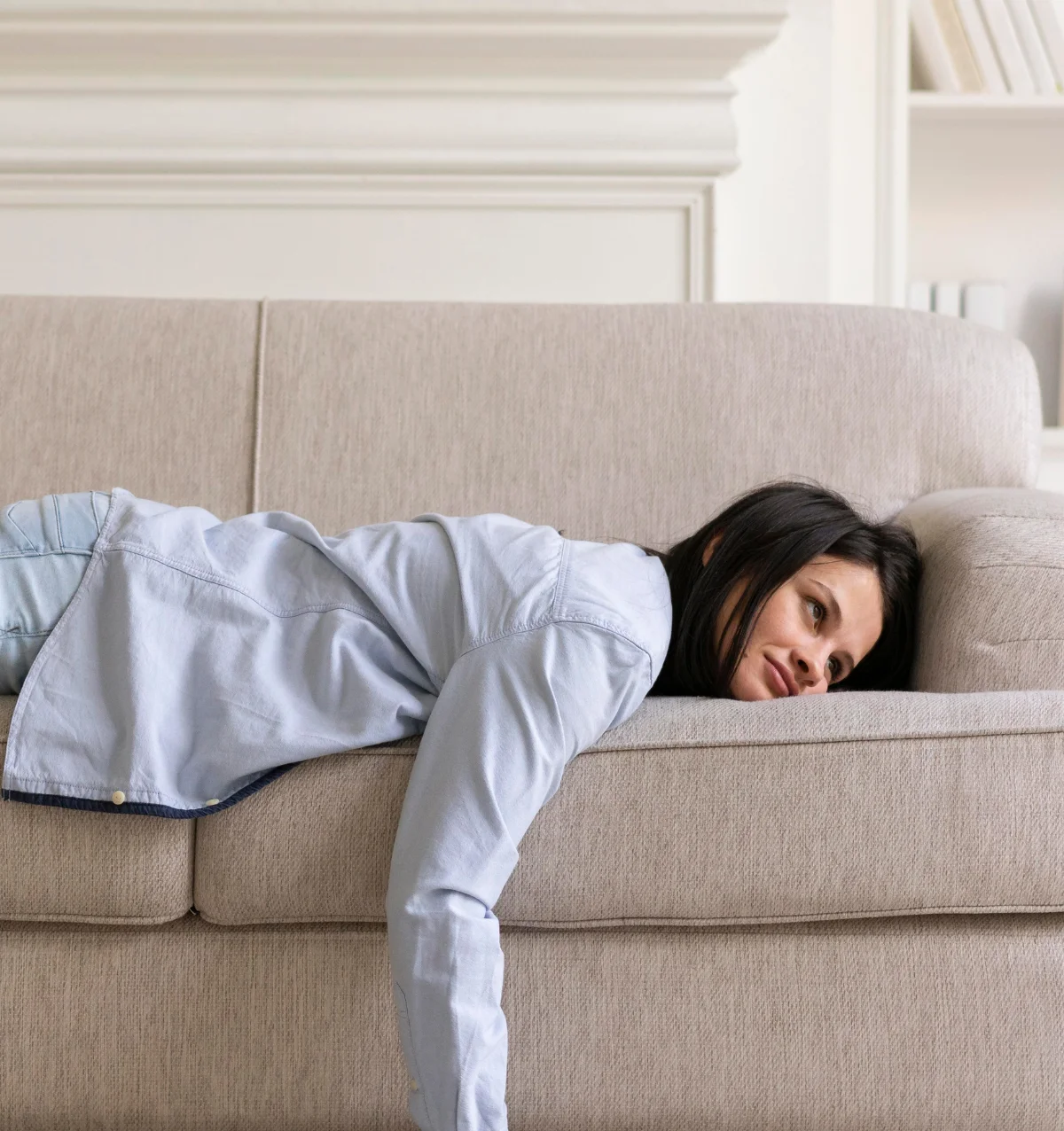
Feeling Tired or Fatigued?
Tiredness, or fatigue, is more about low energy than feeling ready to fall asleep. Being tired can be also described as:
- Drained
- Flat or unmotivated
- Heavy in the body
- Mentally foggy
- Worn out but unable to nap
- Rested for a short time, then drained again
- “Wired” but “tired”
Someone with fatigue may lie down and still be unable to sleep. Lifestyle influences, stress, anxiety, depression, sleep hygiene, infections and physical illness are all contributors of fatigue.
Feeling Sleepy and Exhausted?
Sleepiness is the feeling that your brain wants sleep or you’re about to “crash out.” You’ll probably notice:
- Heavy eyelids
- Yawning
- Nodding off without meaning to
- Struggling to stay awake in quiet settings
- Feeling better after a short nap
- Falling asleep quickly when given the chance
If you were given a quiet bed right now, would you fall asleep? If the answer is yes, it is more likely that you are experiencing sleepiness as opposed to a general tiredness.
Daytime sleepiness becomes a concern when it is ongoing or keeps happening, and affects driving, work, study, relationships or daily routines despite spending enough time in bed.
The Nap Test
Your naps can provide another clue.
If a short nap leaves you feeling noticeably refreshed, sleepiness is the probable cause. If you cannot fall asleep, or you wake feeling just as drained, fatigue may be more likely.
This is not a diagnosis, but a useful starting point for a conversation with your GP or sleep physician.
Source: The Sleep Health Foundation
What If It Is Sleep Apnoea?
Queensland has the highest rates of sleep-related breathing disorder claims in Australia. Around 1 in 4 men over the age of 30 suffer from some degree of sleep apnoea and while it is prevalent across all ages, diagnosis and claiming rates peak in the 45-64 and 65-74 age brackets.
The most common type is Obstructive Sleep Apnoea (OSA), where breathing is repeatedly interrupted when your throat muscles relax too much during sleep. These interruptions break up your sleep cycles and reduce your sleep quality.
People with sleep apnoea, or their partners may report that they:
- Snore loudly
- Wake up gasping or choking
- Experience pauses in their breathing
- Suffer from morning headaches
- Are excessively sleepy through the day
- Have a dry mouth on waking
- Find it difficult to concentrate
- Feel exhausted and moody
Sleep apnoea is also a well-documented cause of high blood pressure and a frequent trigger for headaches and migraines. Frequent breathing interruptions, low oxygen and poor sleep quality trigger physical changes in the body that directly cause these symptoms.

When to Speak with Your GP
Speak with your GP if tiredness or sleepiness is ongoing, worsening, affecting your daily life or putting you at risk when driving or working.
Feeling tired and feeling sleepy are related, but they are not the same. Tiredness usually means low energy. Sleepiness means your body is ready to fall asleep. Clearly being able to define which one you are experiencing can help your GP decide what to assess, what else to rule out and when referral to a sleep service may be useful.
Your GP may also ask about your sleep hours, snoring, breathing during sleep, medications, alcohol intake, mental health, blood tests, shift work and medical history.
Sleep Assessments at North Brisbane Sleep & Thoracic
If ongoing tiredness, daytime sleepiness, snoring or unrefreshing sleep is affecting your day-to-day life, speak with your GP about referral to North Brisbane Sleep & Thoracic.
North Brisbane Sleep & Thoracic provides sleep assessments for patients with suspected sleep disorders, with referrals reviewed by the sleep team to help guide the next steps in assessment.
Already have a referral? Book your appointment with North Brisbane Sleep & Thoracic.